Learning and Resources
CMF Kids Preschool Study
Over half of New Hampshire’s preschoolers with disabilities lack early intervention, fueling a growing educational crisis.
In New Hampshire, the promise of a bright future begins with our youngest and most vulnerable learners. However, for over 2,741 preschoolers with disabilities, that promise of a bright tomorrow is currently out of reach. More than 50% of these children-a staggering 1,370-are left behind each year, unable to access the crucial early intervention services they need before kindergarten.
Across the state, only 20% of preschool-aged children are enrolled in public programs, leaving the vast majority without the essential services foundational for healthy development and future academic success.
We have the knowledge; we have the evidence. We know that early intervention transforms lives, inclusive education fosters resilience, and investing in our youngest learners yields returns far beyond the classroom. Yet knowing is not enough; we must translate this understanding into tangible, transformative change. It’s time for us to act collectively.
We must act urgently to ensure our earliest learners with disabilities have the chance to reach their full potential before it’s too late-because every moment we wait, opportunities for growth, learning, and a brighter future slip further out of reach.
Strengthening the Special Education Workforce
A Data-Informed Feasibility Study of Recruitment, Retention, and Staffing Solutions Across the West Central Region of New Hampshire
This workforce study was initiated by the West Central Special Education Administrators (WCSEA) in partnership with participating districts and funded by CMF Kids, whose mission is to improve educational outcomes for children with disabilities. It was designed to generate actionable, data-informed insights that support district decision-making and strengthen inclusive special education workforce systems across the West Central region.
The analysis draws on a regional workforce survey, district-submitted staffing and vacancy data, and targeted interviews with district leaders and state partners. While this study focuses on the West Central region, its findings reflect workforce challenges common across New Hampshire, particularly in rural and remote communities.
State-level data on special education staffing are limited; New Hampshire does not routinely publish statewide counts of special education vacancies or attrition. However, the New Hampshire Department of Education identifies Special Education Teacher and Early Childhood Special Education (N–3) as ongoing critical shortage areas.
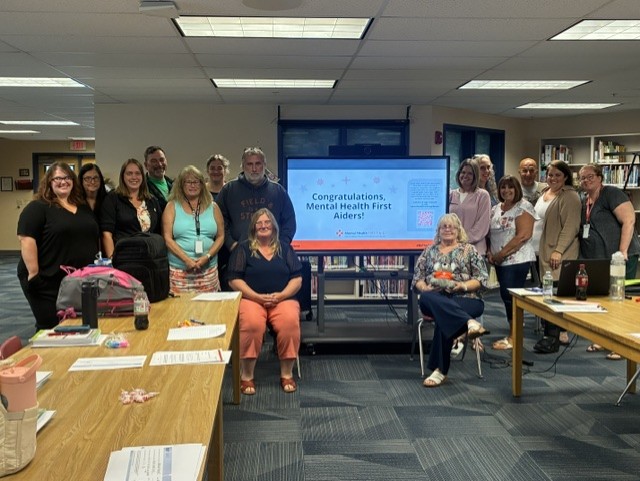
Youth Mental Health First Aid Training
In response to findings from the 2023 CMF Kids Youth Mental Health Survey and the significant needs articulated by our school district partners, CMF Kids is proud to provide Youth Mental Health First Aid training as a practical resource for the adults who support young people. The program reflects our commitment to listening to our partners and responding with resources that address the challenges they are experiencing in their schools and communities.
To date, 100 participants have completed CMF Kids-sponsored Youth Mental Health First Aid training, offered at no cost to our school district and community organization partners and their extended communities.
Training is led by a New Hampshire-based Master of Social Work (MSW) professional and experienced social work case manager with 18 years in the field, credentialed by the National Council for Mental Wellbeing as a Youth Mental Health First Aid instructor. The training teaches participants how to identify, understand and respond to signs of mental health and substance use challenges among youth ages 12–18. It is especially valuable for teachers and school staff, coaches, camp counselors, youth group leaders, parents and other adults who regularly interact with young people.
The need is significant. Nationally, 1 in 5 teens and young adults lives with a mental health condition, while 50% of all mental illnesses begin by age 14 and 75% by the mid-20s. An estimated 10.2% of youth will also experience a substance use disorder during their lifetime.*
Workshops accommodate up to 25 participants and include course materials from the National Council for Mental Wellbeing. By offering the training at no cost to our partners and their extended communities, CMF Kids is helping strengthen the network of informed, prepared adults who can recognize concerns, respond appropriately and connect young people with the support they need.
Interested in Youth Mental Health First Aid training?
Please contact Rebekah Cocco, MSW, CMF Kids Social Work Coordinator, at rebekah.cocco@crotchedmountain.org for more information about training opportunities.
Special Education Links
New Hampshire Department of Education: www.education.nh.gov
New Hampshire Institute on Disability: www.iod.unh.edu
Center for Inclusive Education: www.iod.unh.edu/cie
NH Council on Developmental Disabilities: www.nhcdd.nh.gov
New Hampshire Family Voices: www.nhfv.org
Parent Information Center: www.picnh.org
North Country Education Services: www.ncedservices.org
Reaching Higher NH: www.reachinghighernh.org
NH Department of Health and Human Services: www.dhhs.nh.gov
NH Bureau of Developmental Services: www.dhhs.nh.gov
NH Vocational Rehabilitation Services: www.education.nh.gov
Next Steps New Hampshire: www.nextsteps-nh.org
New Hampshire Association of Special Education Administrators: www.nhasea.org
New England Autism Speaks: www.autismspeaks.org
Disability Rights Center – NH: www.drcnh.org